
From Pain to Power : A Conversation with Chiquis
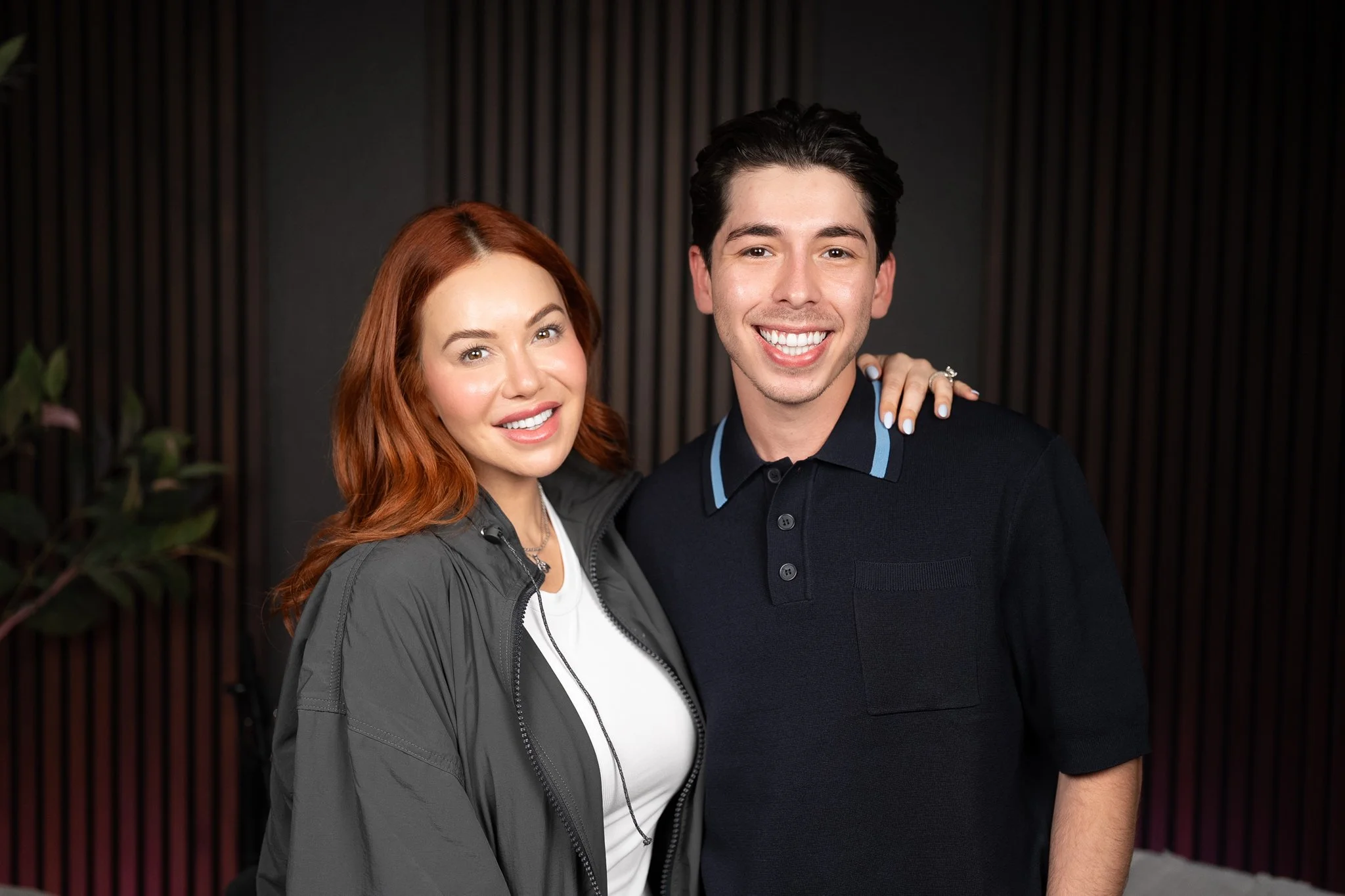
For most of her life, the world has known her as Chiquis — the outspoken artist, entrepreneur, performer, and daughter of legendary singer Jenni Rivera. But beneath the public image is Janney: a woman still evolving, still healing, and still learning how to fully step into herself.
In her conversation with Andro Mammo on One-on-One with Andro Mammo, Chiquis opens up in one of her most personal interviews to date — reflecting on identity, grief, faith, creativity, purpose, and what it truly means to become comfortable in your own skin.
What emerges throughout the conversation isn’t just the story of an artist navigating fame. It’s the story of a woman reclaiming her voice after years of pressure, criticism, heartbreak, and expectation.
“I Was Doing What People Wanted Me To Do”
Looking back on the last decade of her life, Chiquis describes the biggest transformation not as fame or success — but learning how to say no.
“For a long time, I was doing what people wanted me to do… and not what I’m meant to do.”
That realization became a turning point.
As someone raised in one of Latin music’s most recognizable families, Chiquis grew up surrounded by ambition, discipline, and relentless work ethic. She credits her mother, Jenni Rivera, for instilling business instincts early — teaching her to take risks, embrace failure, and never be afraid to start over.
But while the world often focused on the spotlight surrounding her family, Chiquis reveals that entrepreneurship was actually her first love long before music entered the picture. From selling candy at school as a child to launching businesses later in life, she always carried a drive to create something of her own.
Even her setbacks became lessons.
When discussing her first business venture, a blow-dry salon called Blow Me Dry, Chiquis reflects candidly on the emotional toll of trying to build a business while simultaneously grieving the loss of her mother. The business ultimately closed, but the experience taught her something far more valuable: the importance of being fully present in everything you build.
The Evolution of Her Music — And Herself
Music, Chiquis explains, has always been therapy.
“It’s carried me through. It’s brought me back from sad places.”
But today, her relationship with music looks very different than it did at the beginning of her career.
Where early decisions were often guided by management, labels, or outside expectations, Chiquis says she’s now reclaiming creative control — becoming more intentional about every lyric, concept, and emotion attached to her work.
That shift became especially evident with her album Abeja Reina, a project she describes as deeply personal and emotionally vulnerable.
“It was my chance to let people in on my deepest thoughts… It was like a diary to myself, but for the world.”
Throughout the interview, Chiquis repeatedly returns to the idea of authenticity — the belief that meaningful art can only come from honesty.
“What comes from the heart reaches a heart.”
That philosophy now shapes not only her music, but her entire approach to life.
Janney vs. Chiquis
One of the most revealing moments of the conversation comes when Chiquis explains the distinction between her public persona and her private self.
“Chiquis” is the performer — the confident artist who commands a stage.
“Janney,” she says, is the grounded, spiritual, deeply introspective woman who would rather be at home growing fruits and vegetables on her own land somewhere far away from the spotlight.
For years, separating the two identities became a survival mechanism.
She admits there was a time when she feared losing herself completely to the entertainment industry. Creating emotional distance between “Chiquis” and “Janney” helped protect her peace. But over time, she realized the two needed to coexist.
Now, she says she’s finally learning how to integrate both versions of herself — artist and human being — without sacrificing either.
Faith, Purpose, and Perseverance
Faith remains at the center of everything Chiquis does.
During the interview, she speaks openly about how her relationship with God has carried her through some of the darkest moments of her life — including grief, criticism, public scrutiny, and personal doubt.
“I could be motherless and fatherless,” she says, “but I’m never going to be Godless.”
That sense of purpose extends beyond music.
Whether helping families displaced by the Los Angeles fires or supporting field workers in Oxnard during difficult political and economic times, Chiquis emphasizes the importance of using her platform to serve others directly — not simply from a distance.
“It’s not just love for yourself,” she explains. “It’s how you spread that.”
A New Chapter
As the conversation closes, Chiquis reflects on a deeply personal challenge she’s faced privately over the past six months: IVF.
Fighting through the emotional and physical weight of the process, she describes it as one of the hardest experiences of her life — but also one that’s taught her more deeply about womanhood, resilience, and strength.
It’s a vulnerable moment that perfectly captures the heart of the interview itself.
Not the image. Not the headlines. Not the persona.
Just a woman learning to embrace every version of herself — publicly and privately — while continuing to evolve in real time.
And perhaps that’s why this conversation resonates so deeply.
Because beneath the Grammys, the success, the music, and the spotlight is someone still choosing authenticity over perfection.
Still choosing purpose over pressure.
Still choosing herself.
Watch the Full Conversation

In this deeply personal episode of One-on-One with Andro Mammo, Chiquis reflects on:
growing up as the daughter of Jenni Rivera
navigating grief, criticism, and public pressure
building confidence and finding her voice
balancing “Janae” and “Chiquis”
entrepreneurship, creativity, and taking risks
faith, healing, and discovering purpose
learning to say no and choosing herself
vulnerability in music and storytelling
giving back to communities in need
her evolving relationship with authenticity, love, and womanhood
The conversation is emotional, reflective, vulnerable, inspiring, and deeply human.
Because beneath the Grammys, the spotlight, and the public image is a woman still learning, healing, creating, and evolving in real time — while using her story to remind others that adversity does not define you, authenticity matters, and purpose is worth fighting for.